
Book a Call
The Quiet Work Behind Every Great Team
The FIFA World Cup 2026's three host nations each surface a different facet of cross-cultural leadership: Mexico's symbolic weight, Canada's quiet maturity, and the United States' challenge of unity without sameness. This article uses football as a living case study for the Identity Leadership 5R Programme, arguing that the real work of leading across cultures is building a shared "we" large enough to hold real difference inside it.
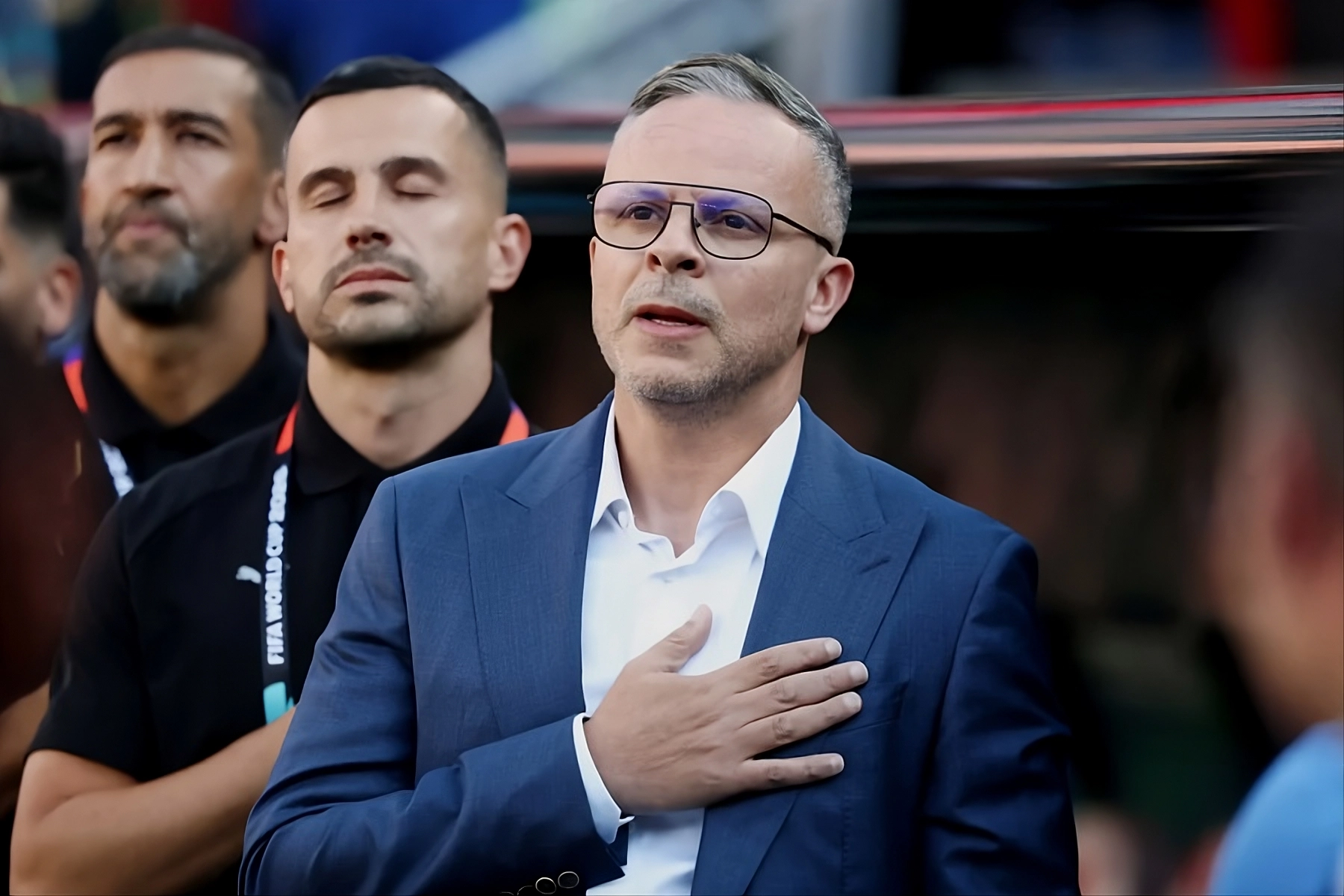
How Football Teaches Cross-Cultural Leadership
As the FIFA World Cup 2026 unfolds, I find myself looking beyond the scores, the tactics and the immediate emotions of the game. Because it is a living example of what leadership means in a complex, interconnected world.
Few of us lead in homogeneous environments anymore. We work across cultures, generations, functions, and at times across competing ideas of what success even looks like. The real challenge is not delivering results. It is creating alignment without asking people to become the same.
So here’s one question that sits at the centre of leadership that I want to ask leaders today: how do you create unity without reducing diversity?
Three host nations, three lessons
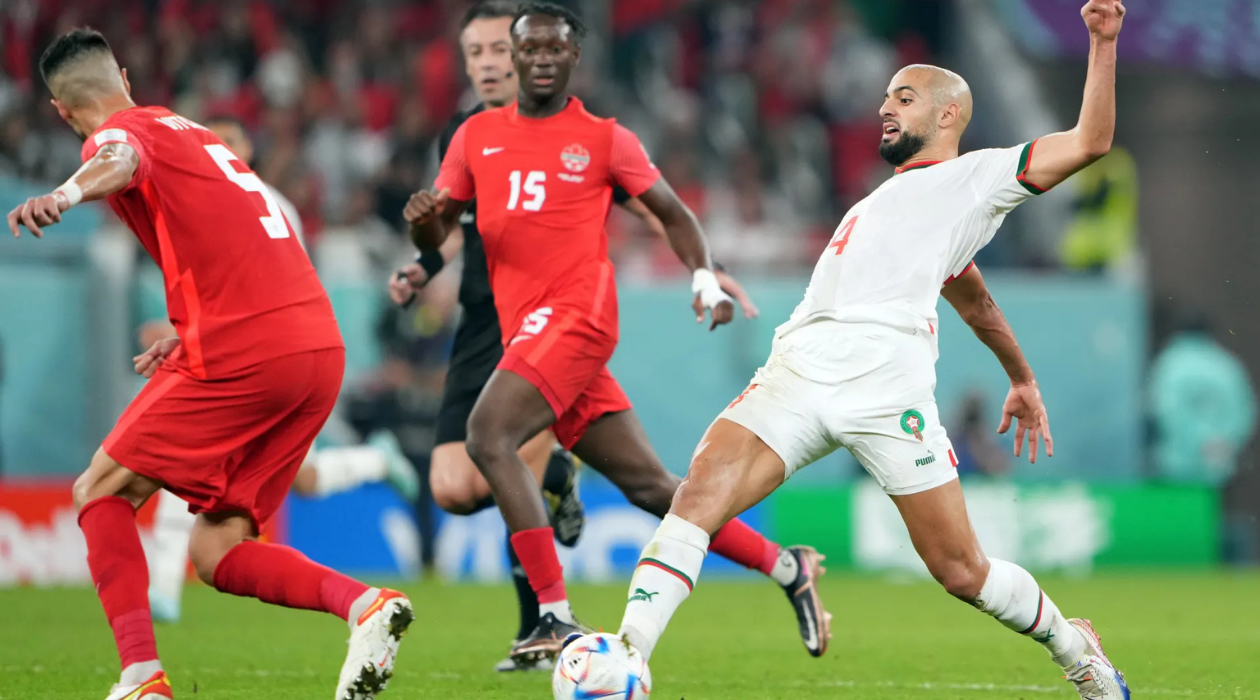
Mexico: identity.
As the nation that opened the tournament, Mexico reminds me that leadership is symbolic as much as functional. The team walks onto the field carrying history, culture, and the hopes of people who see themselves in it. And the same holds for leaders. Whether you represent a team, an institution, or a profession, people look past your role and search for meaning. Thus leadership always becomes the capacity to turn pressure into shared energy.
Canada: growth.
Not every leader arrives with the legacy of the established giants. Some grow into responsibility through consistency, discipline, and a willingness to keep learning. The temptation is to imitate those who came before. Yet maturity begins when you stop borrowing someone else's style and trust your own. Sometimes leadership is not about imposing presence; it is about letting presence emerge.
United States: belonging.
As the nation hosting the most teams and cultures under one roof, the United States poses the sharpest version of the question. Unity does not come from sameness. It comes from a "we" large enough to hold real difference inside it without flattening it. Leadership, then, is not about blending people into one voice. It is about building belonging strong enough that no one has to give up who they are to be part of it.
The invisible architecture of every team
These look like individual lessons but in practice they are collective. I believe that identity, voice, and growth cannot exist in isolation. They only form inside teams, relationships, and systems.
This is why leading across cultures asks for more than managing individuals. It asks you to see a team as something larger than the sum of its parts. A team is not a collection of talented people. It is a living system, shaped by trust, shared purpose, and the quality of interactions under pressure.
Football makes this visible because the eleven players do not automatically become a great team. Performance emerges when individuals begin to see themselves as part of a shared "we."
Building a stronger sense of "we"
This is where the Identity Leadership 5R Programme, a framework developed through social identity research, becomes useful. It challenges the idea that influence comes mainly from expertise, authority, or charisma. Instead, it suggests that leaders create impact by building and tending a shared social identity, a sense of belonging people carry together.
When people identify with a common purpose, cultural differences become easier to navigate, because the "we" grows larger than any single background.
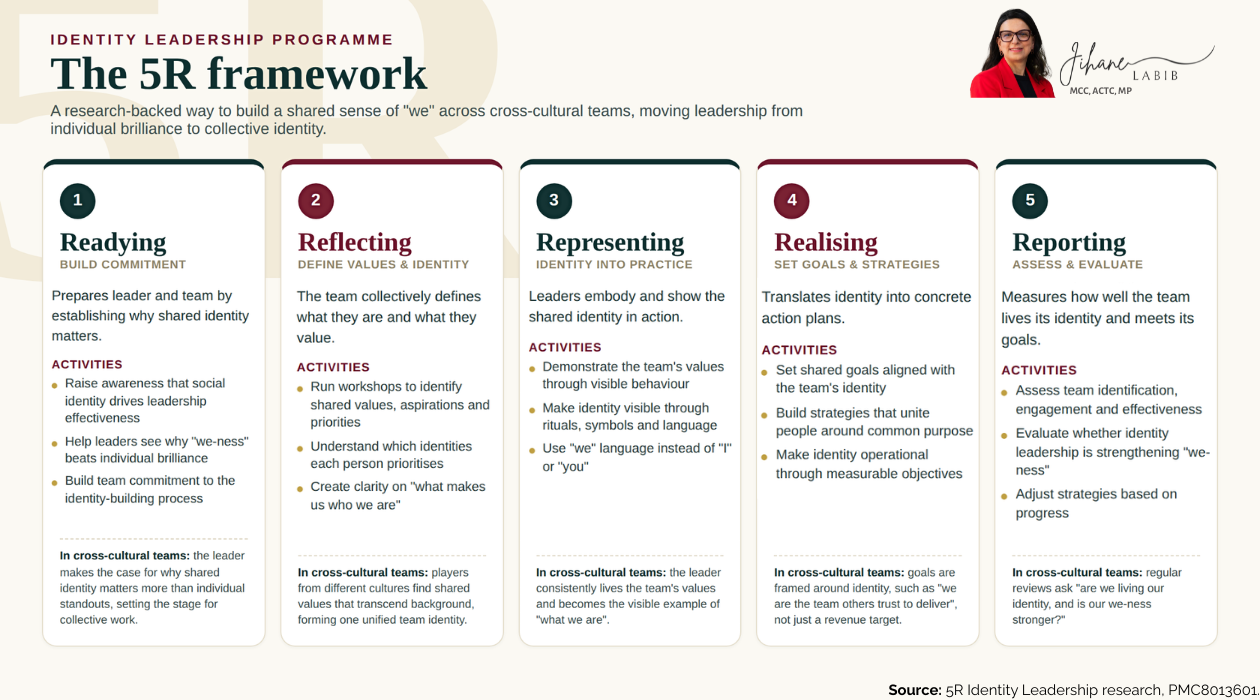
For those of us leading across cultures, that may be the work that matters most: not only aligning people around goals, but helping them build a shared understanding of who they are together.
When you think about the teams you lead, where is the "we" still being formed?
Jihane Labib is an executive coach, MCC, ACTC by ICF and MP by EMCC, ICF Global Board Chair 2026, and author of Creating Bridges: Leading Growth Across Cultures and Generations.
